
- Yayınlanan: ROOT
- Oluşturulma Tarihi: 2025-01-27
- Hits: 10666
- Yorum Yap: 0
PH What is ?
Few skincare topics have been as much of
confusion and concern as pH. How can two lowercase letters have such an impact
on our skin? As you can see, how pH relates to our skin and the products we
use. And despite the concern, finding pH-balanced skincare is easier than you
think. We will put your mind at ease about using skin care products with
different pH levels so you can get through your routine faster.
What is PH?
The term "PH" means "hydrogen
potential". It is concerned with the activity of hydrogen ions (ions are
molecules that carry a positive or negative charge) in a water-based solution.
Hydrogen makes up two-thirds of water; water is H²o, which is two hydrogen
molecules plus one oxygen molecule.
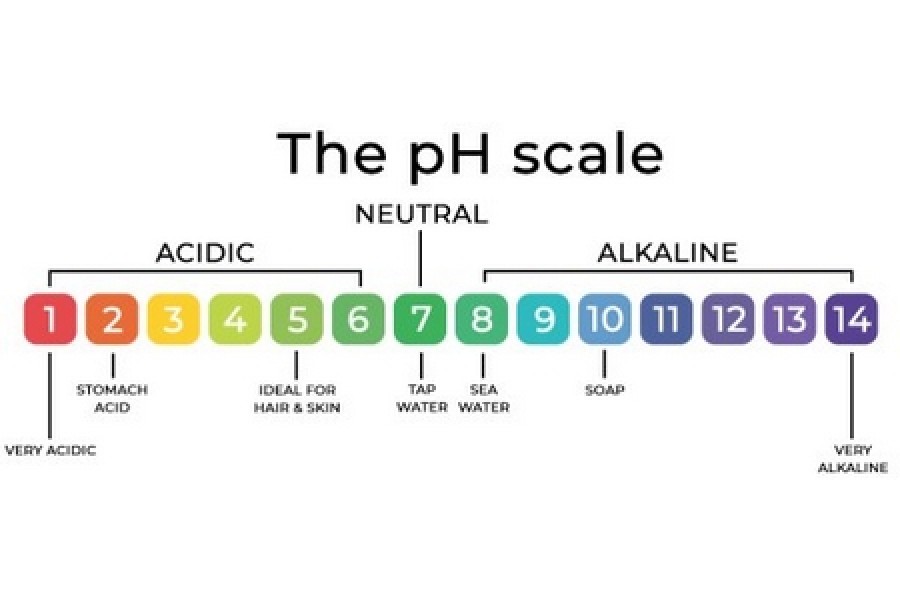
The pH of a solution is indicated by a
numerical scale ranging from 0-14. Anything below 7 (pH is neutral) is
considered acidic, while anything with a pH greater than 7 is considered
alkaline. Lemon juice has a pH of 2 - very acidic, while ammonia has a pH of
12, which is quite alkaline, also called a base, as well as acids and bases.
Although the differences between pH numbers
may seem small compared to normal mathematics, it is important to know that the
pH scale is logarithmic, not linear. This means that a tenfold increment
multiplied by 10 separates each pH number. Therefore, pH 3 is 100 times
stronger than pH 5.
You can also consider the difference between
each pH number, such as the Richter scale used to measure the strength of
earthquakes. A magnitude 6 earthquake can cause significantly greater damage
than a magnitude 4 or 5 earthquake.
What is the pH of the skin?
You may be surprised to learn that the
surface and top layers of the skin are naturally acidic, making it compatible
with acidic skin care products. Although research on the pH range of the skin
gives various figures, the collected research shows that the average pH of the
skin is 4.7.
Men's skin tends to be more acidic than
women's skin, and our skin's pH remains acidic even though it increases with
age. When we are born, our skin has a neutral pH that becomes acidic within a
few weeks of birth.
What is the Skin's Acid Mantle?
There is a protective film on the surface of
the skin known as the acid mantle. The acid mantle plays a vital role by
working with the skin's natural components such as ceramides, cholesterol,
enzymes, sweat and even our skin's own oil to protect the skin's surface and
lower layers from external threats.
The acidic pH of the skin also plays a role
in keeping its delicate microbiome in balance. An acidic microbiome makes it
difficult for harmful pathogens to multiply, but allows good things to thrive.
How Does PH Affect Skin?
Severely disrupting the skin's pH repeatedly
can lead to or worsen many problems, including common skin disorders and the
dry, tight feeling from washing with bar or liquid soaps (most soaps are
alkaline).
To avoid problems, many people look for
pH-balanced skincare products, but not all products are labeled with pH levels.
What should we do? We have encouraging news: The vast majority of
rinse-and-hold skincare products are already pH-balanced. Cosmetic chemists are
aware of how the pH of skincare products affects our skin, so they often take
formulaic steps to restore balance.
If you're wondering what "PH
balanced" means, it refers to products formulated with a pH that falls
within the normal, healthy skin range. This range is mostly between pH 4 and pH
7. While it is true that some skincare products have pH numbers outside of this
range, in most cases this is not a cause for concern.
Research has shown that slight disruptions
to the skin's pH (such as using an AHA or BHA leave-in exfoliant with a pH of
3.6 or a mineral sunscreen with a pH of 7.5) are temporary. The skin naturally
equalizes to its normal pH, typically within an hour. And it actually has a
benefit: Studies have shown that acidic products stimulate the skin to produce
the essential substances it needs to look smooth, supple and hydrated.
On the other hand, using highly acidic (pH
2.5 or lower) or alkaline (pH 8 or higher) products causes a more significant
deterioration in the skin's pH, so it takes longer for the skin to return to
normal.
During this extra time, the skin is
vulnerable to factors that can trigger breakouts, eczema symptoms, redness and
sensitivity. Therefore, daily use of products with a pH that is too high or too
low will visibly and gradually damage the skin.
pH of Skin Care Products
We mentioned above that most skincare
products are pH-balanced, and this applies to Paula's Choice products as well.
Common pH ranges for the main categories of our skincare products are:
Cleaners: pH 4.5–7
Toners: pH 5–7
Sunscreens: pH 5–7.5
AHA and BHA Exfoliants: pH 3.2–3.9, 3
Yorum Yap